TeachingBase
Causes of our moral intuitions
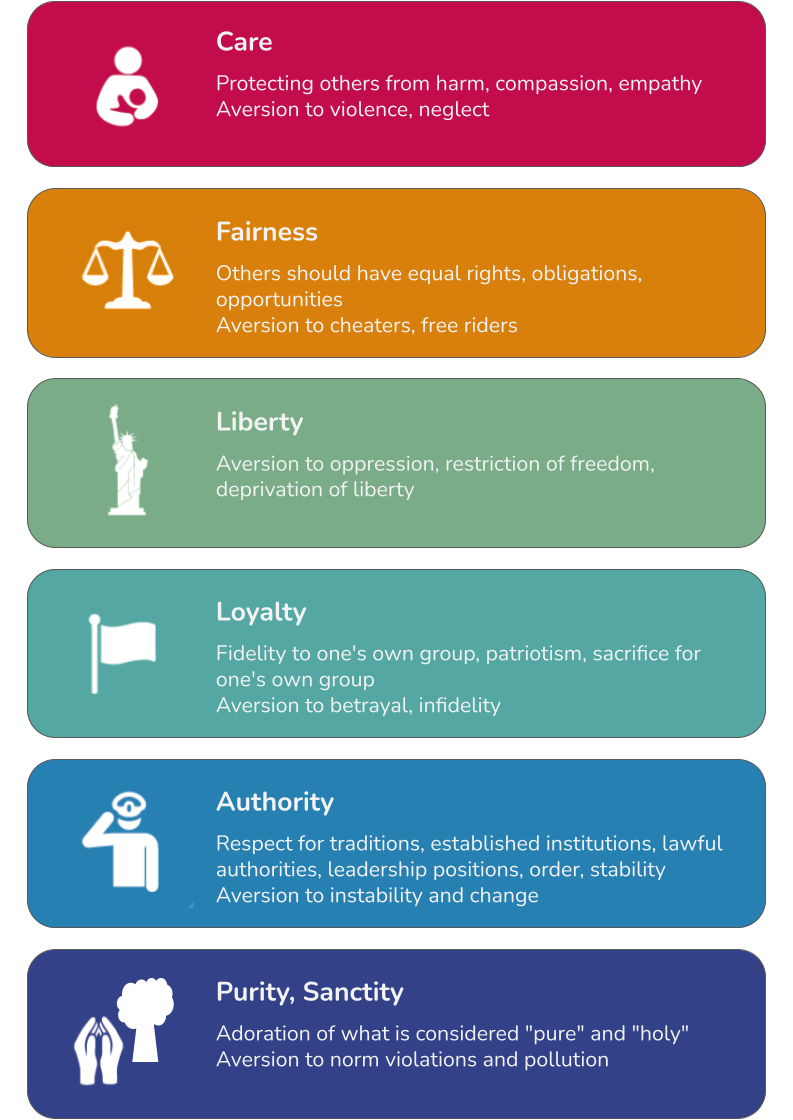
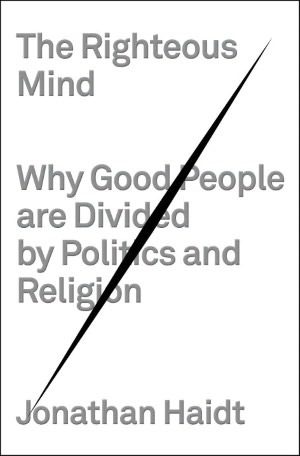
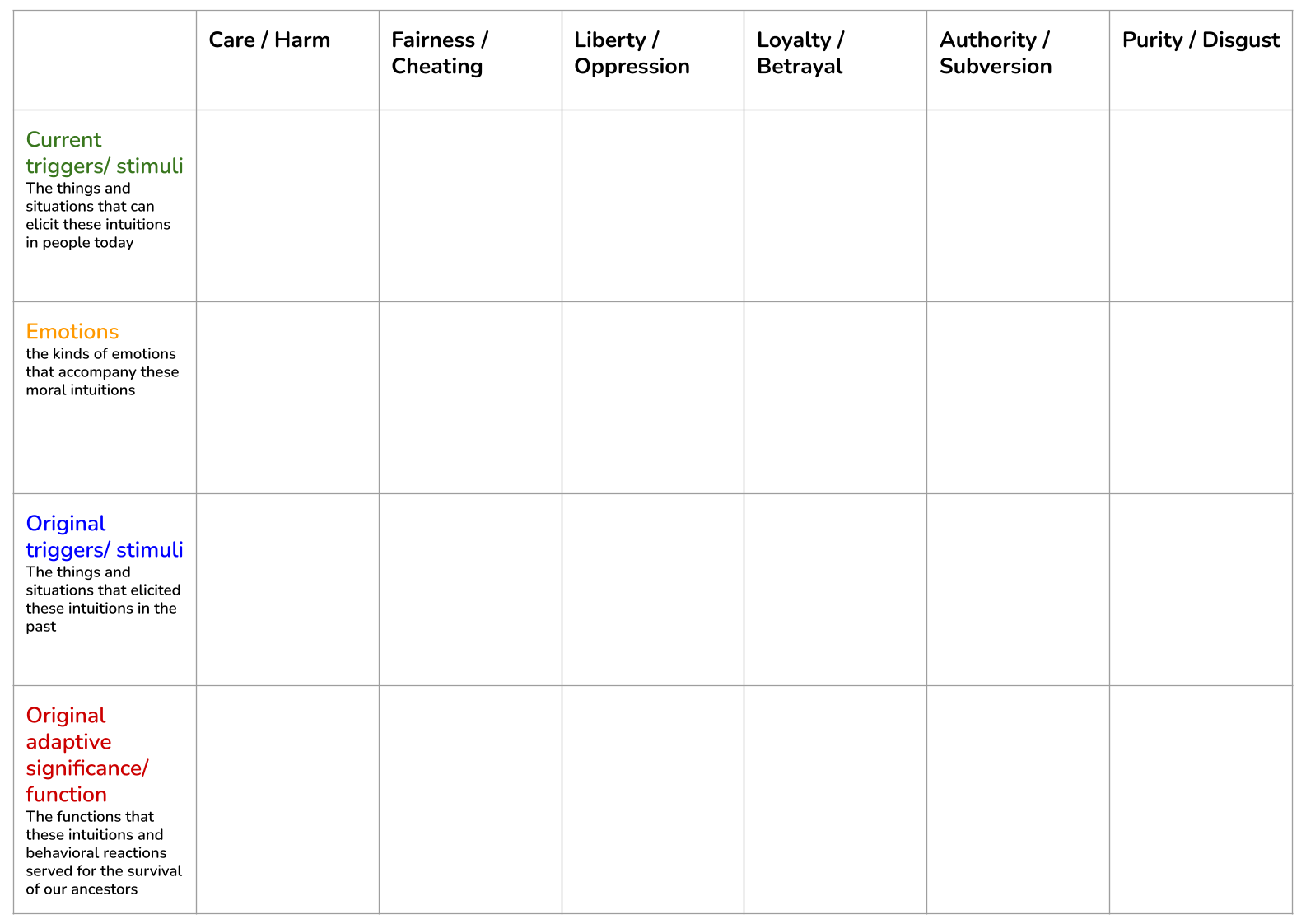
In this lesson students explore the causes of our moral intuitions with the help of a sorting activity based on the work of psychologist Jonathan Haidt and his book The Righteous Mind: Why Good People are Divided by Politics and Religion. Students also evaluate the degree to which our evolved moral intuitions may lead to negative outcomes for ourselves and society in today’s world.
As an extension, students could explore the stories of people who have joined and then left radical movements to understand the conditions under which prejudice, hatred and violence against other people or a group can arise and how they can dissolve again.
- Teaching material type Full lesson plan, Project, Sorting activity, Tinbergen's questions
- Subject Areas Biology, Civics, Ethics, Human Evolution, Philosophy, Social Studies, Social-Emotional Learning
- Learning Goals Cooperation Competency, Evaluation Competency, Evolutionary Thinking, Metacognitive Competency, Self-Regulation Competency
- Suitable Grade Levels 9-12
- Concepts Development of behavior, Emotions, Function of behavior, Mismatch, Morality, Phylogeny
- Content Anchors Ancient Ancestors, Our Mind
Author: Susan Hanisch
- Attribution-NonCommercial-ShareAlike [CC BY-NC-SA]
Related Lesson Materials

Function of cognitive biases
In this lesson students learn about the concept of cognitive biases as well as a number of important cognitive biases that may affect our well-being and social interactions, identify their causes in evolutionary history, their functions, and reflect on how to cope with cognitive biases.
Life in groups and conflict resolution
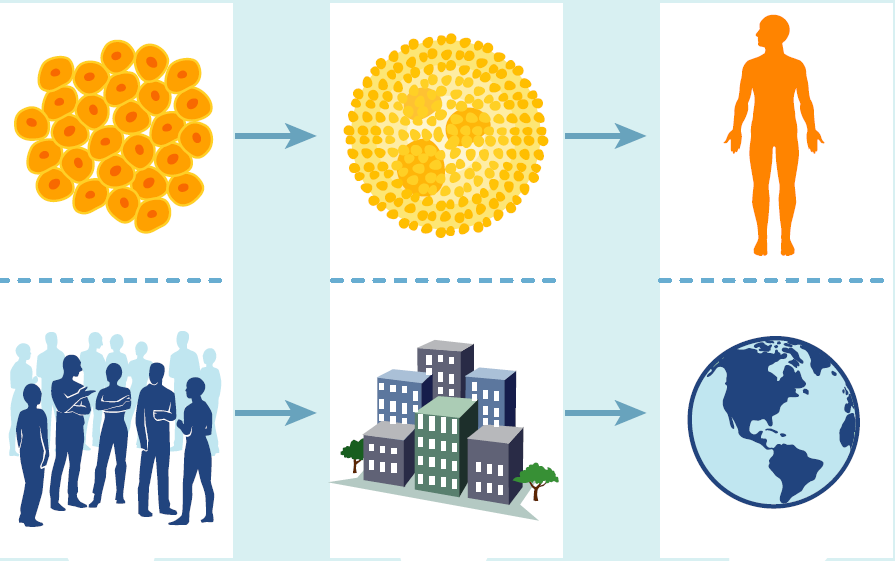
A reading text about the challenges of life in groups and how groups across biology have found ways to solve these challenges.

Moral taste buds
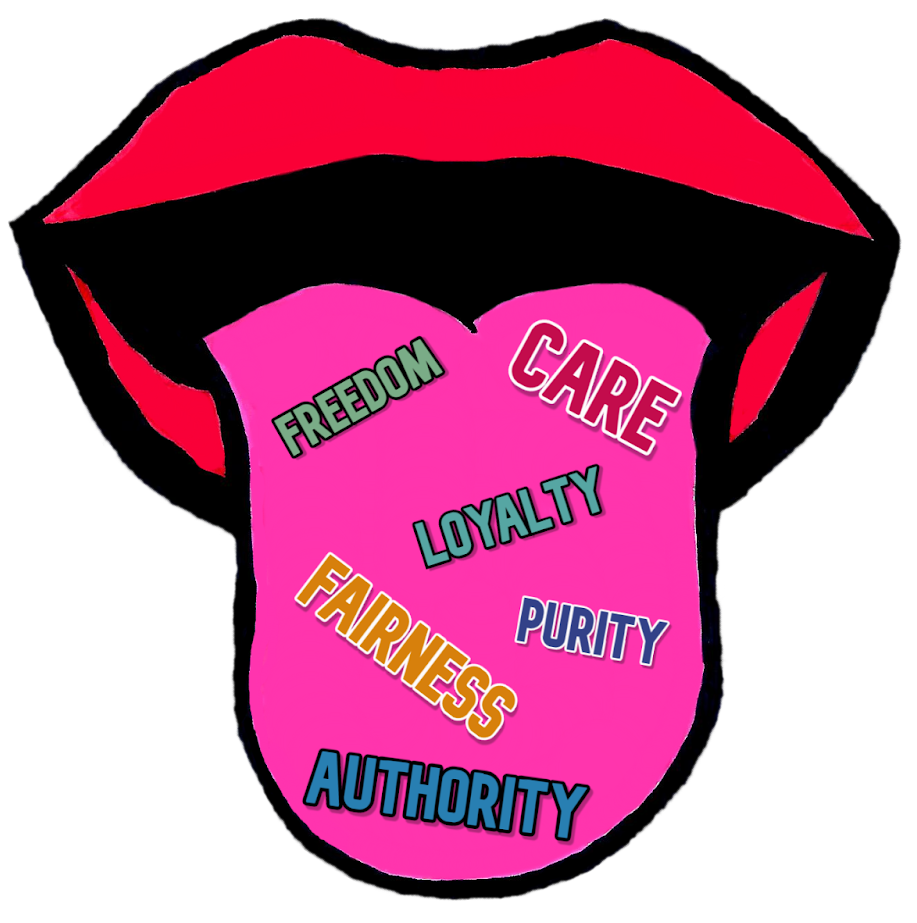
In this lesson students explore the causes and functions of, as well as ways to flexibly relate to our moral intuitions by engaging the analogy to our taste buds.

Noticing moral intuitions
Students identify the moral intuitions underlying people’s opinions in quoted texts and images.

True stories of people who left radical movements
In this unit students explore stories of people who have left a radical movement, or deliberately discuss with representatives of the “other side” and build respectful relationships. These let us explore the circumstances, experiences and insights about why prejudice, hatred and violence against other people or a group can arise and how they can dissolve again.

What is behavior?
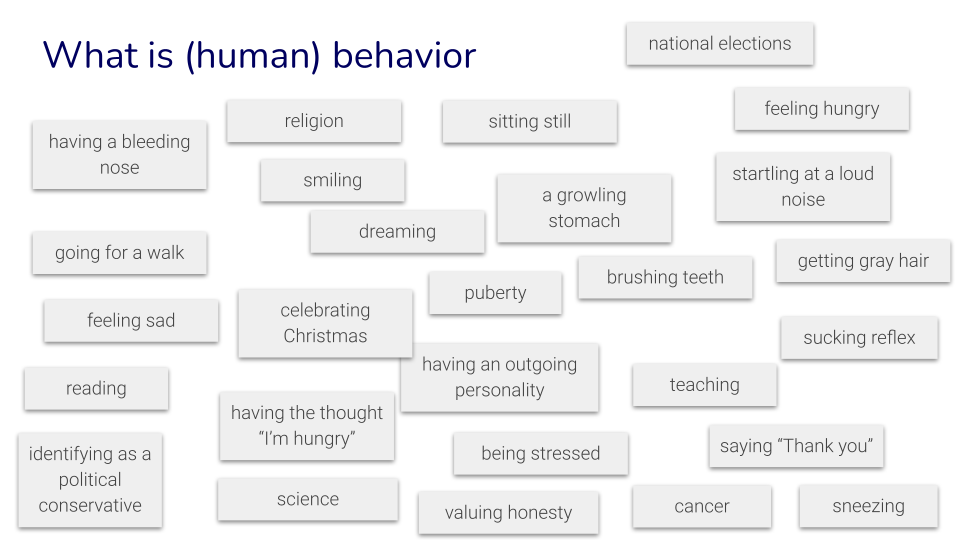
In this lesson students explore the concept of (human) behavior, its causes, and its relation to well-being and sustainable development.
Related Literature
- The Righteous Mind: Why Good People are Divided by Politics and Religion is a 2012 social psychology book by Jonathan Haidt, in which the author describes human morality as it relates to politics and religion. In the first section, Haidt demonstrates that people’s beliefs are driven primarily by intuition, with reason operating mostly to justify beliefs that are intuitively obvious. In the second section, he lays out his theory that the human brain is organized to respond to several distinct types of moral violations, much like a tongue is organized to respond to different sorts of foods. In the last section, Haidt proposes that humans have an innate capacity to sometimes be “groupish” rather than “selfish”. (Source: Wikipedia)