
Human evolution – Life with other groups
Teaching resources and information about the impact of intergroup cooperation and competition in human evolution
Human evolution – Life with other groups Read More »

Cooperation Competency
Teaching resources and information about the impact of intergroup cooperation and competition in human evolution
Human evolution – Life with other groups Read More »

Ethnography is the documentation of culture. There are many ways to develop an ethnography, depending on the aims, context, and resources of the researchers.
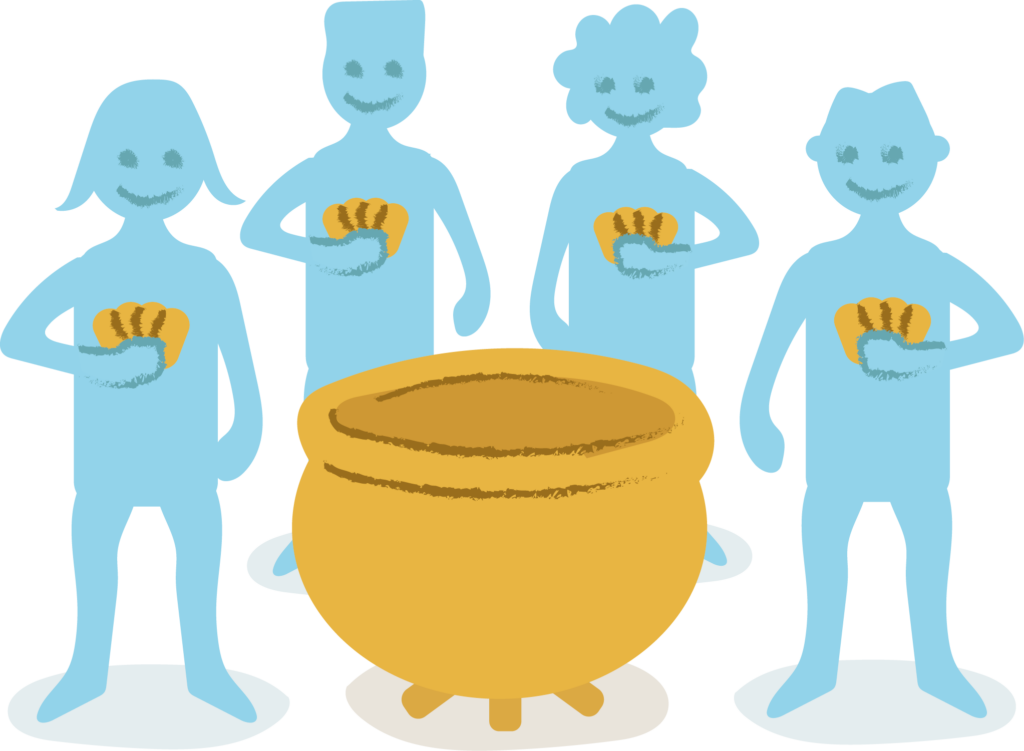
With these teaching materials, students can be introduced to game theory in general, as well as a concrete method, the public goods game. The conditions and rules of the public goods game reflect the challenge of a group to maintain common resources.
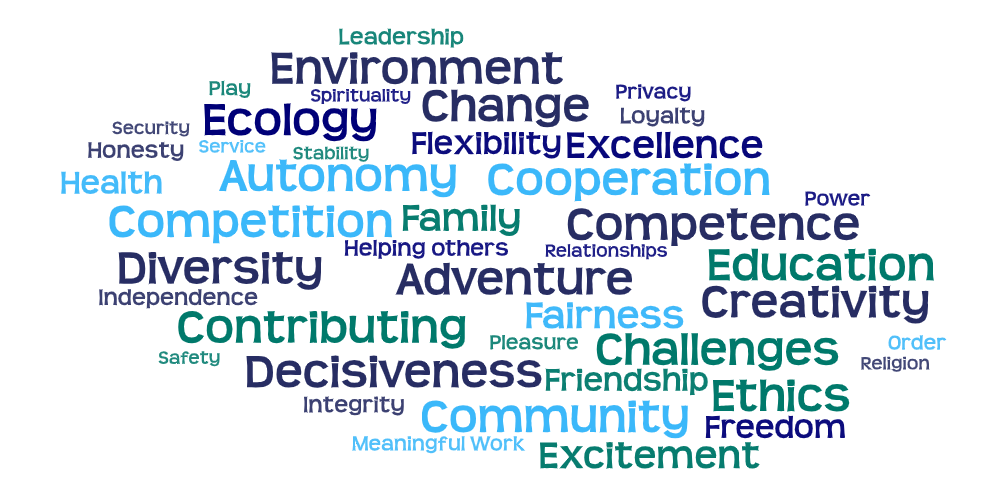
This lesson is about exploring the concept of values with students and having them identify and reflect on what they personally value, or what makes their life meaningful.
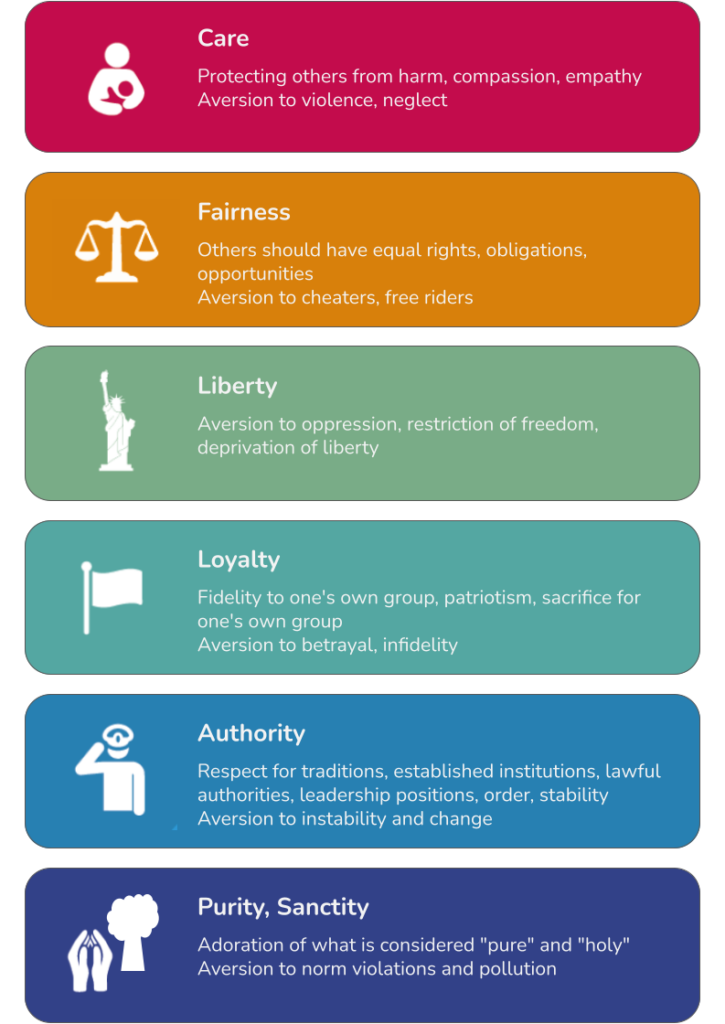
Students identify the moral intuitions underlying people’s opinions in quoted texts and images.
Noticing moral intuitions Read More »
A set of behavioral experiments across cultures that explore the human sense of fairness.
Game theory: Ultimatum and Dictator game Read More »
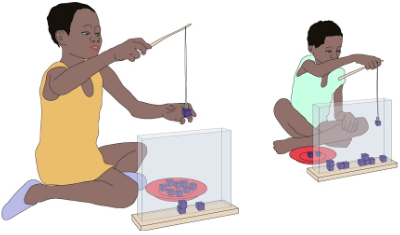
These lesson materials introduce students to issues of fairness and various interpretations of it. Reflecting on results of a cross-cultural experiment with children, students discuss how we can use our understandings to create a more fair world.
“Fair” does not always mean the same thing Read More »
Students explore how a honeybee swarm makes a decision about their future nesting site, and explore the similarities and differences to how human groups make decisions.
Honeybee Democracy Read More »
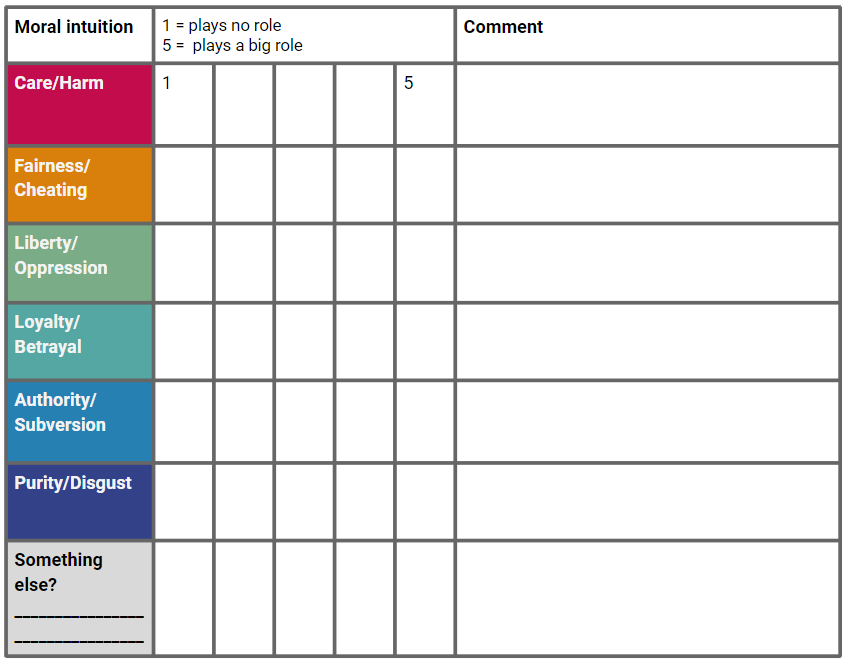
Lesson plan and worksheets to apply understandings of moral psychology in classroom discussions about ethical issues
Discussion guide about moral issues Read More »
In this unit students explore stories of people who have left a radical movement, or deliberately discuss with representatives of the “other side” and build respectful relationships. These let us explore the circumstances, experiences and insights about why prejudice, hatred and violence against other people or a group can arise and how they can dissolve again.
True stories of people who left radical movements Read More »