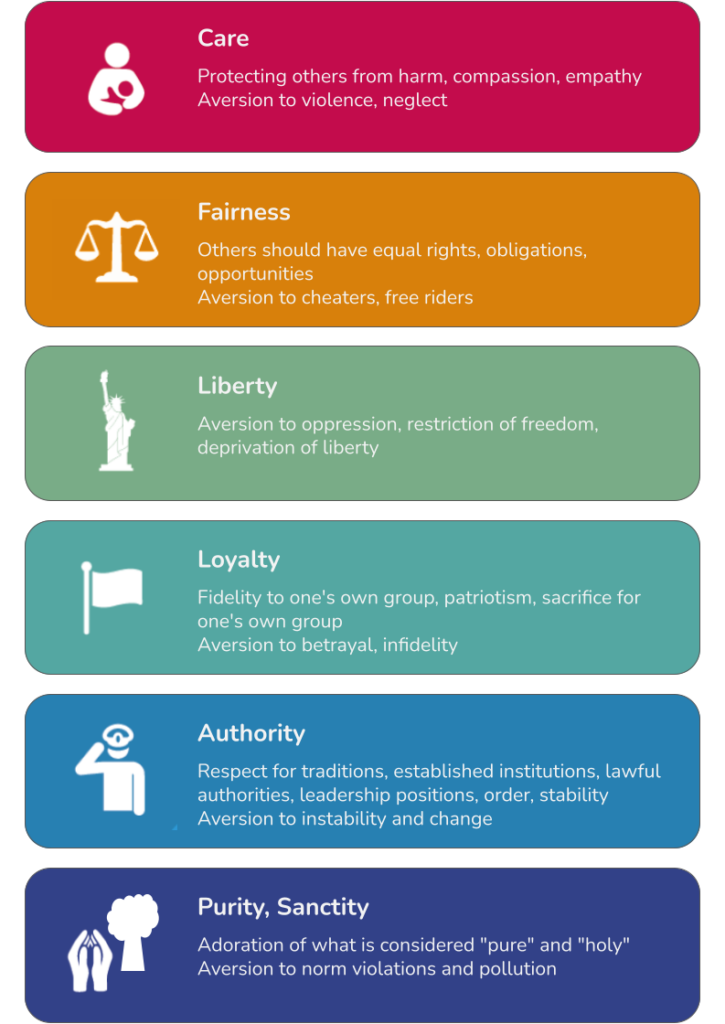
Noticing moral intuitions
Students identify the moral intuitions underlying people’s opinions in quoted texts and images.
Noticing moral intuitions Read More »

Self-Regulation Competency
Students identify the moral intuitions underlying people’s opinions in quoted texts and images.
Noticing moral intuitions Read More »
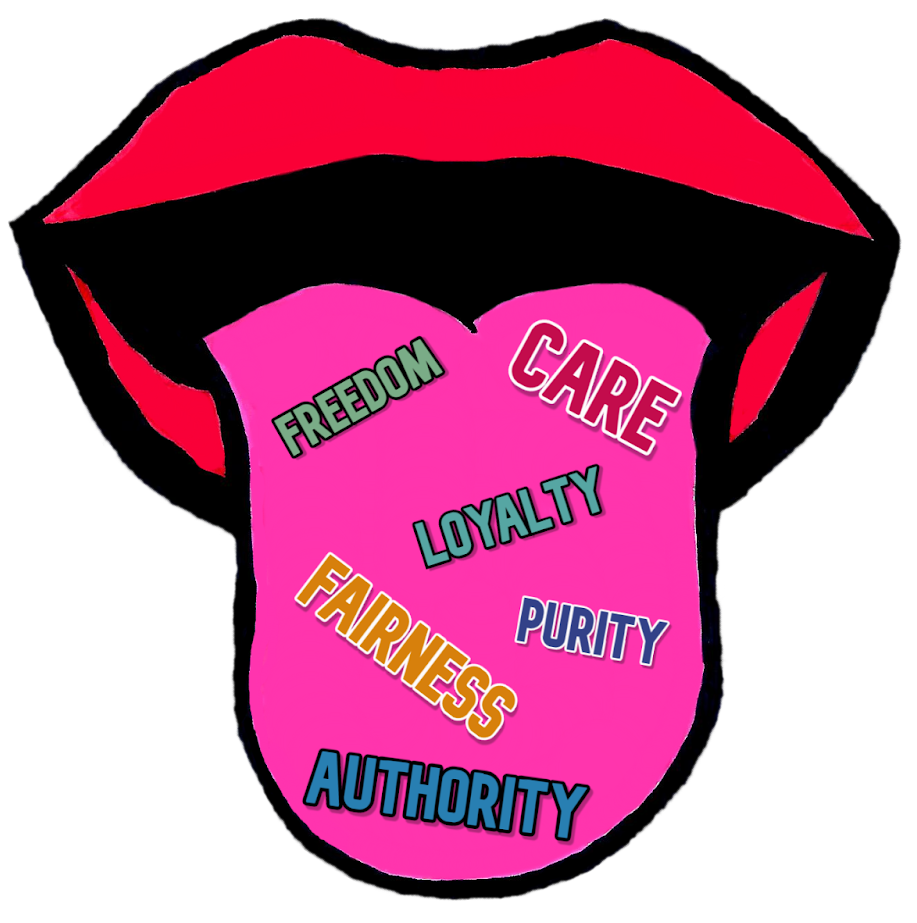
In this lesson students explore the causes and functions of, as well as ways to flexibly relate to our moral intuitions by engaging the analogy to our taste buds.
In this lesson students sort their own experience of thinking into fast and slow processes. Based on this, they come to understand that our thinking is shaped through experience such that things we do often and regularly become easier over time.
Fast thinking or slow thinking Read More »
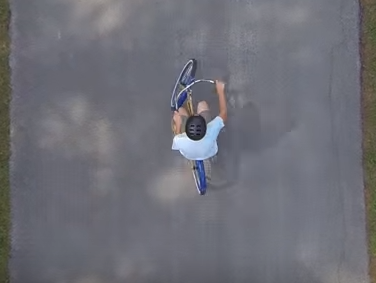
This video is about a bicycle that works differently than normal bicycles, and how challenging it is for our minds to learn how to ride this new bicycle.
Backwards Brain Bicycle Read More »
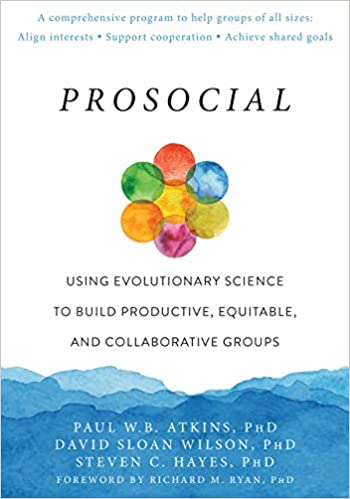
Based on the work of Nobel Prize winning economist Elinor Ostrom and grounded in contextual behavioral science, evolutionary science, and acceptance and commitment therapy (ACT), Prosocial presents a practical, step-by-step approach to help you energize and strengthen your business or organization. Using the Prosocial model, you’ll learn to design groups that are more harmonious, have better member or employee retention, have better relationships with other groups or business partners, and have more success and longevity.