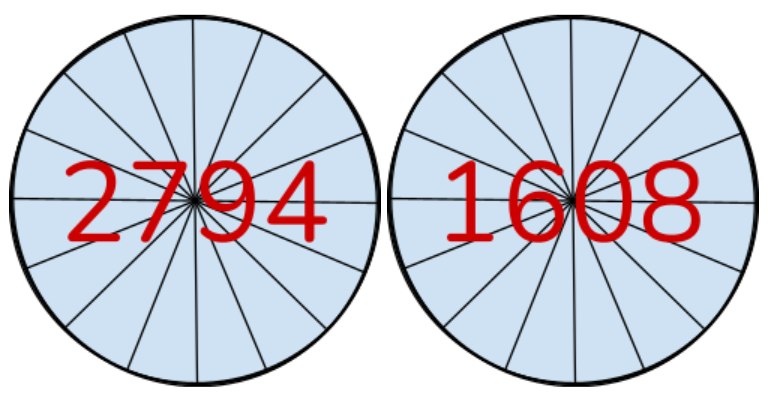
Collective Action Puzzle Game
A group game that lets students experience the dilemma between self-interest and collective interest when groups have to work together to achieve shared goals.
Collective Action Puzzle Game Read More »

Systems Thinking
A group game that lets students experience the dilemma between self-interest and collective interest when groups have to work together to achieve shared goals.
Collective Action Puzzle Game Read More »
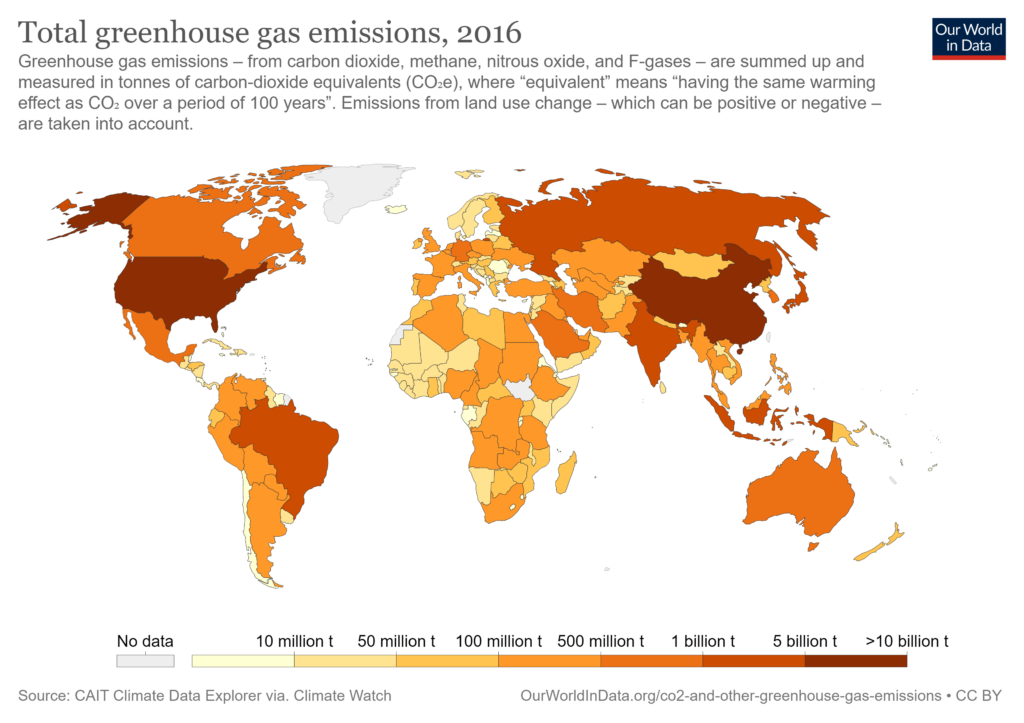
A cooperation game that lets students experience some of the challenges of cooperation in addressing global climate change
Climate Change Game Read More »
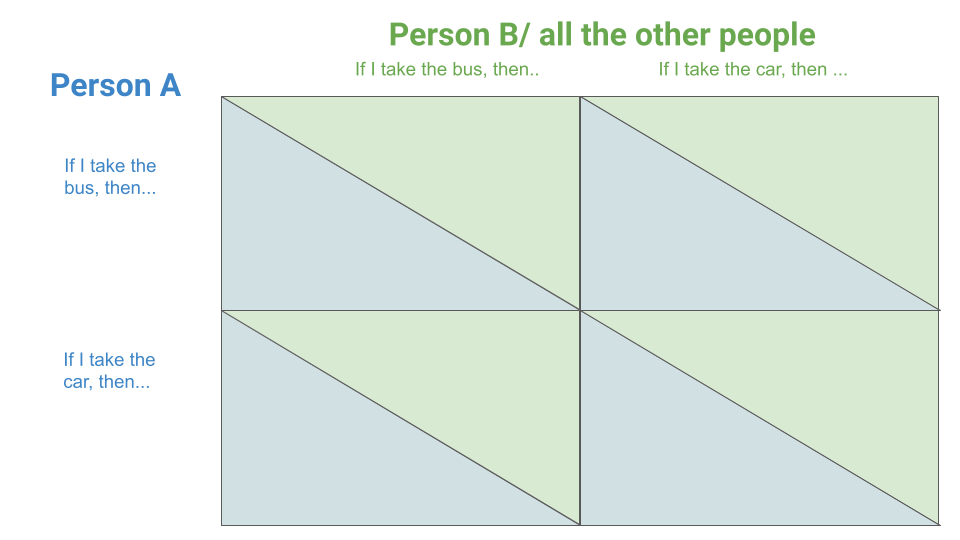
Students reflect on the causes and consequences of human behaviors in situations of social interactions, and are introduced to the payoff matrix as a helpful tool to represent motivations and outcomes of behaviors.
Introduction to social dilemmas and the payoff matrix Read More »

With these handouts and worksheets, students can be introduced to causal mapping to analyze causal relationships in complex systems.
Introduction to causal maps Read More »
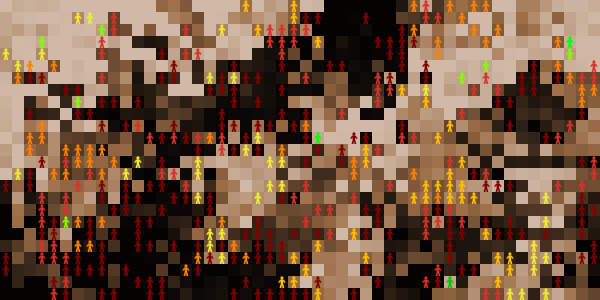
This model introduces the concept of resource use efficiency into the evolution of resource use behavior.
NetLogo: Evolution of resource use with harvest efficiency Read More »
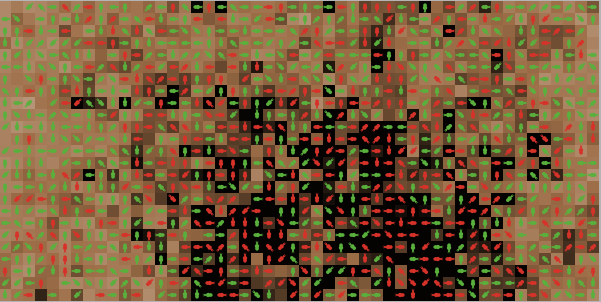
This NetLogo model lets students explore how competition for resources can affect the evolution of a population and can result in resource overuse. This model is similar to the Evolution and competition for forest resources model, but more abstract.
NetLogo Model: Evolution and competition for resources (abstract) Read More »
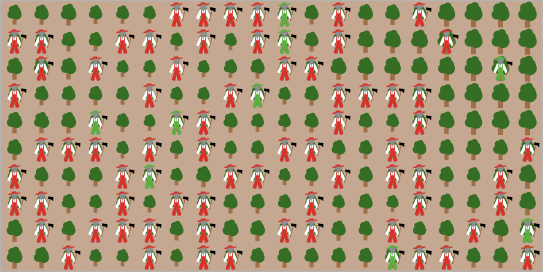
This NetLogo model builds on the model of Two Foresters. In this model, agents reproduce based on the amount of resources that they harvest.
NetLogo: Evolution and competition for forest resources Read More »
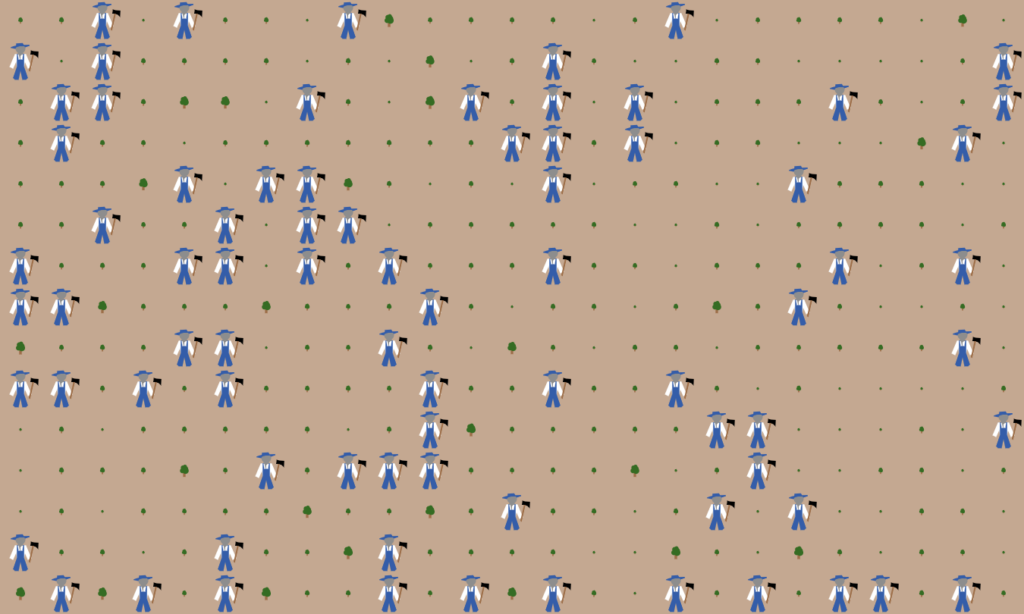
This model allows students to explore the relationships between population size, resource growth rates, cost of living, and resource use rates.
NetLogo: Population size and living costs Read More »
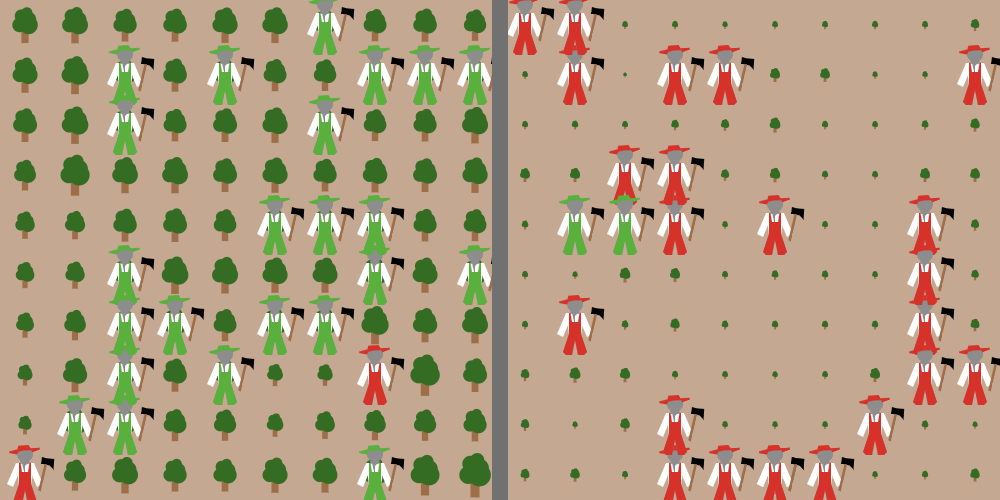
This NetLogo computer model extends the model Two Foresters and introduces a bigger and more complex population structure
NetLogo: Two communities Read More »