Honeybee Democracy
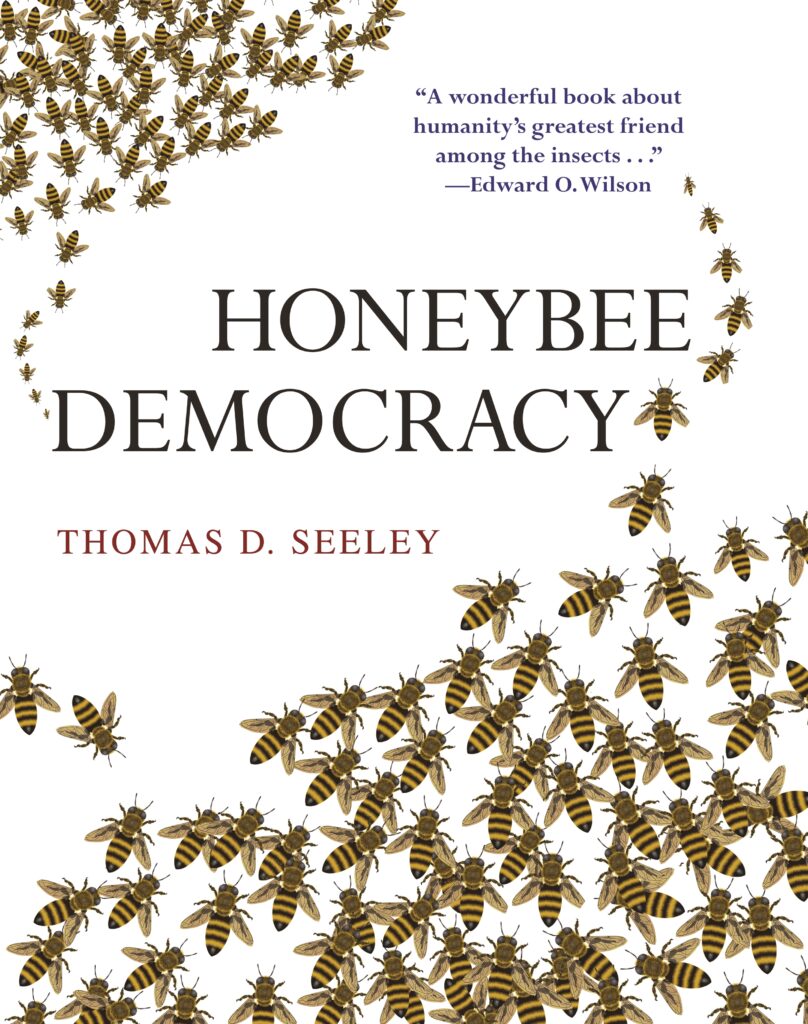
Students explore how a honeybee swarm makes a decision about their future nesting site, and explore the similarities and differences to how human groups make decisions.
Honeybee Democracy Read More »
Interdisciplinary Thinking
Students explore how a honeybee swarm makes a decision about their future nesting site, and explore the similarities and differences to how human groups make decisions.
Honeybee Democracy Read More »
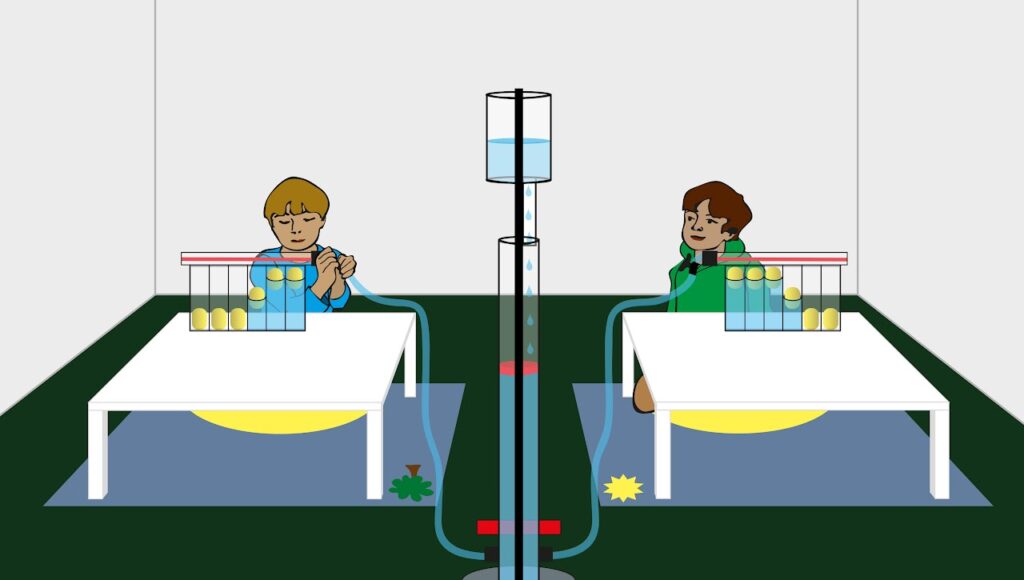
A comparative behavioral research experiment exploring the abilities of chimpanzees and of children to cooperate around a shared resource.
Chimps or children – who is better at sharing resources? Read More »
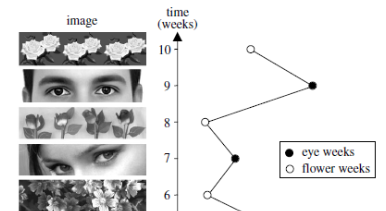
A behavioral experiment that tells us about the role of unconscious perception, particularly the perception of human eyes, on human social behavior.
Perception of eyes and prosocial behavior Read More »
With these handouts and worksheets, students can be introduced to causal mapping to analyze causal relationships in complex systems.
Introduction to causal maps Read More »
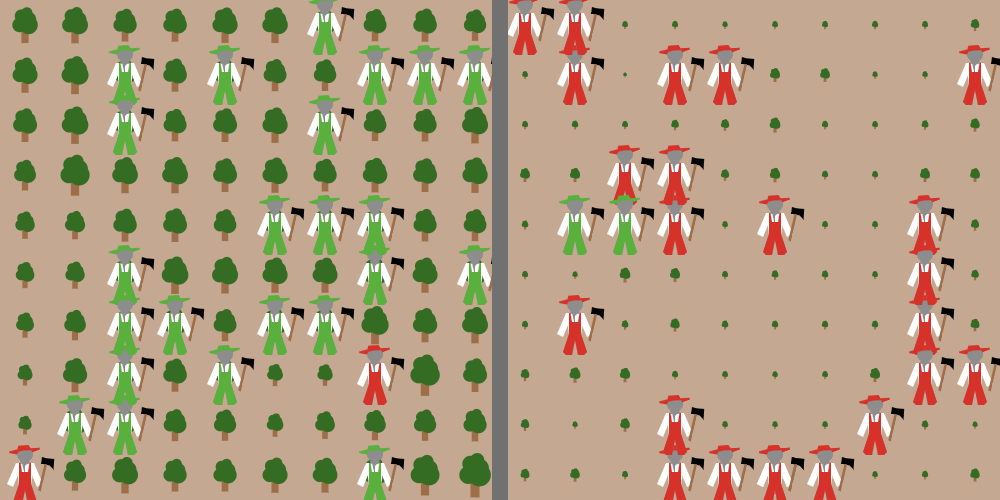
This model introduces the concept of resource use efficiency into the evolution of resource use behavior.
NetLogo: Evolution of resource use with harvest efficiency Read More »
This NetLogo model builds on the model of Two Foresters. In this model, agents reproduce based on the amount of resources that they harvest.
NetLogo: Evolution and competition for forest resources Read More »
This NetLogo computer model extends the model Two Foresters and introduces a bigger and more complex population structure
NetLogo: Two communities Read More »
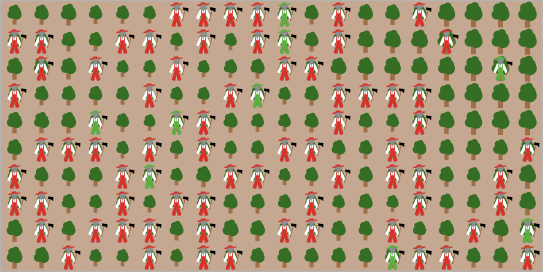
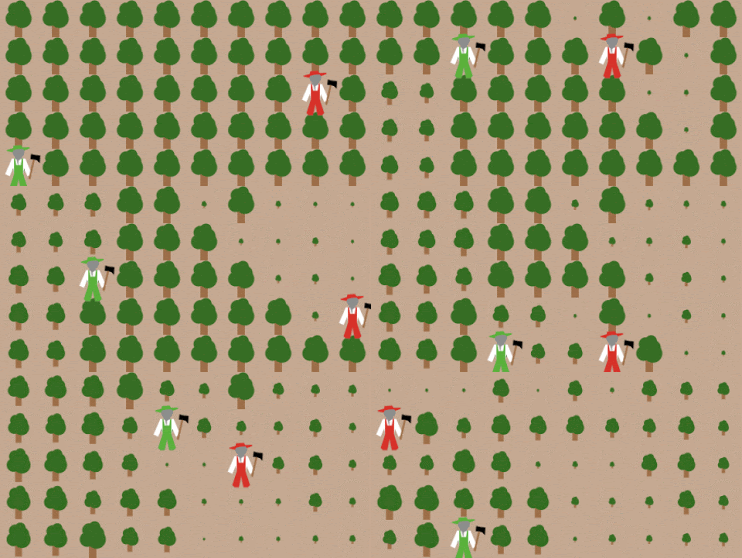
An interactive introduction into concepts of ecology, behavioral ecology, and sustainability with a computer simulation of a simple social-ecological system.
NetLogo: Two Foresters Read More »