Human Behavior & Sustainable Development
A lesson collection for the Human Behavior & Sustainable Development module.
Human Behavior & Sustainable Development Read More »

Evaluation Competency
A lesson collection for the Human Behavior & Sustainable Development module.
Human Behavior & Sustainable Development Read More »
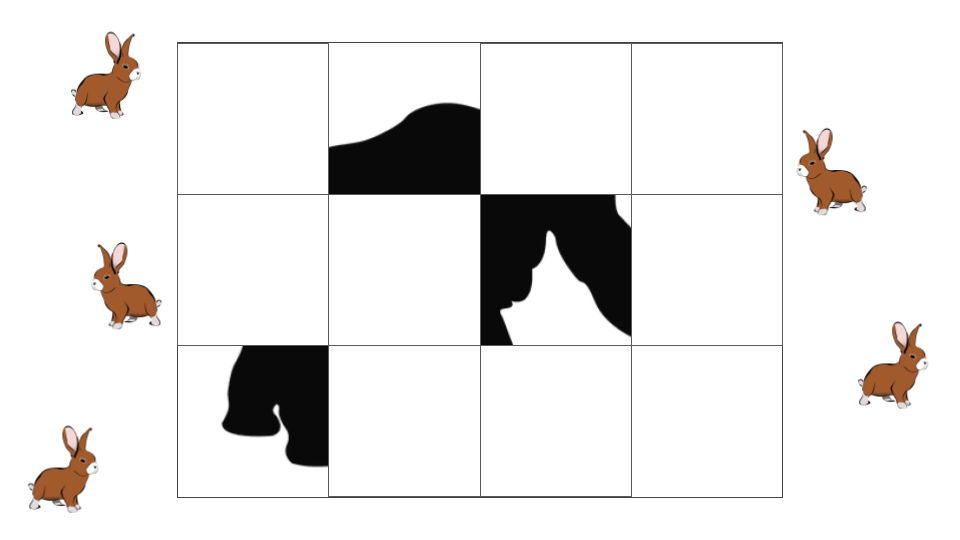
A cooperation game that simulates the challenge of our stone age ancestors to acquire food in the African savanna
Stone Age Hunting Game Read More »
In this questionnaire, people are asked about their beliefs about well-being by indicating the degree to which they believe that certain aspects are a necessary and required aspect of the experience of high well-being and living the good life. It is based on a study that showed that people’s beliefs about wellbeing can affect their actual wellbeing.
Beliefs About Well-Being Scale Read More »
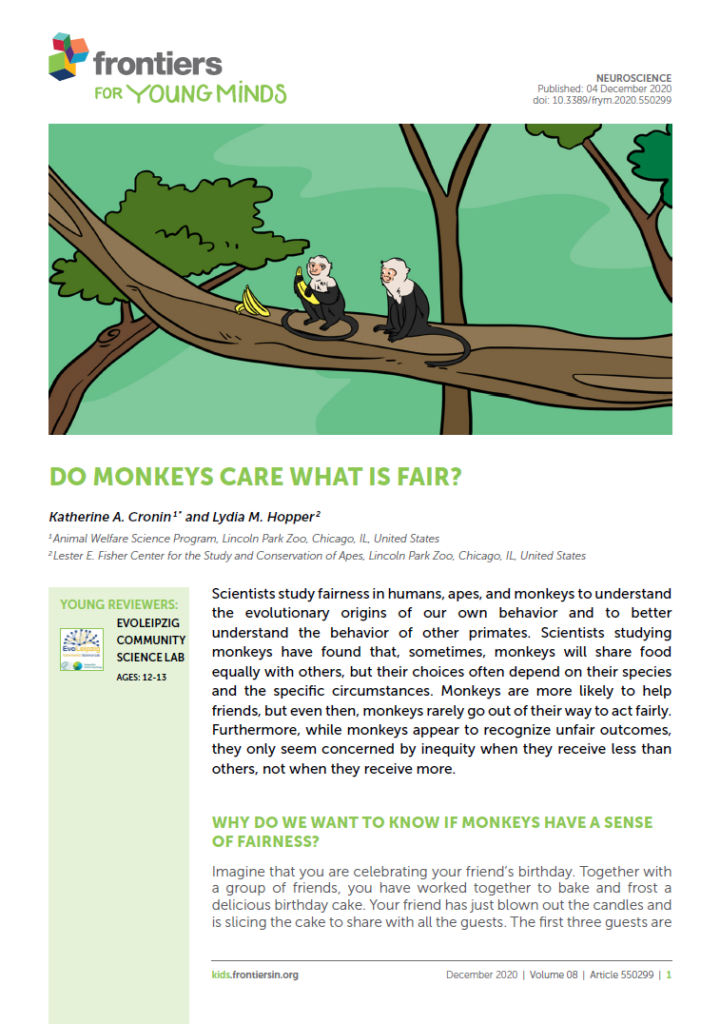
Scientists study fairness in humans, apes, and monkeys to understand the evolutionary origins of our own behavior and to better understand the behavior of other primates. Scientists studying monkeys have found that, sometimes, monkeys will share food equally with others, but their choices often depend on their species and the specific circumstances. Monkeys are more likely to help friends, but even then, monkeys rarely go out of their way to act fairly. Furthermore, while monkeys appear to recognize unfair outcomes, they only seem concerned by inequity when they receive less than others, not when they receive more.
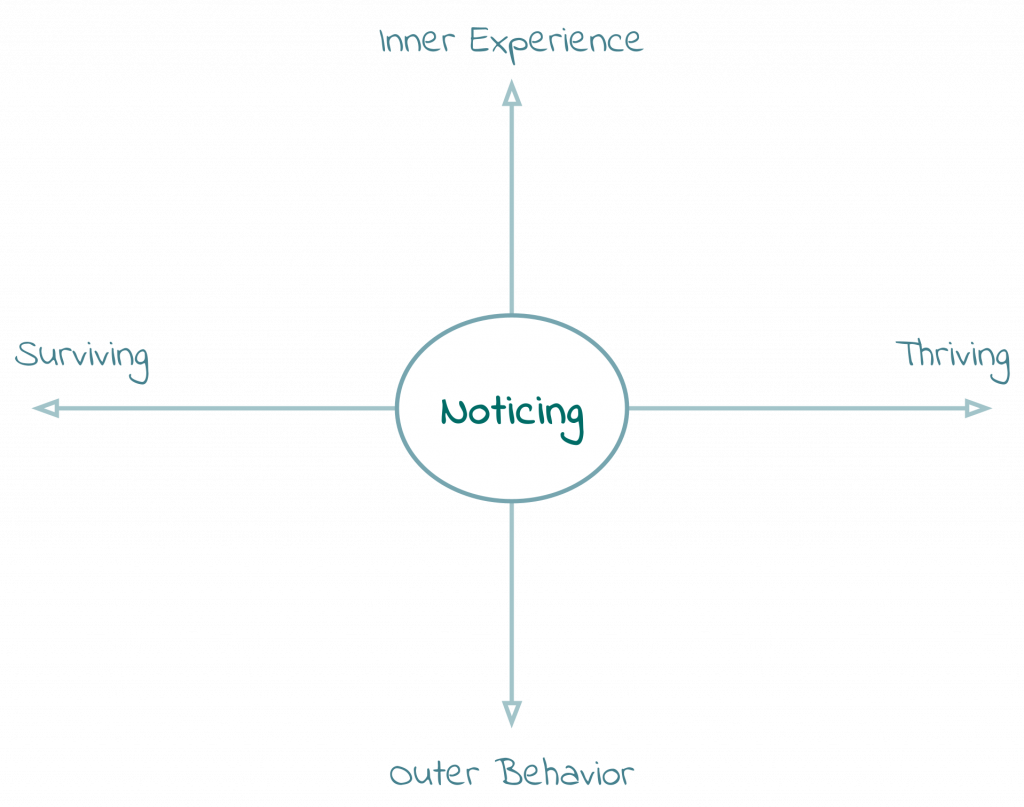
The Noticing Tool helps us be aware of and interpret our experiences and behaviors in the present and to orient our behaviors towards valued living.
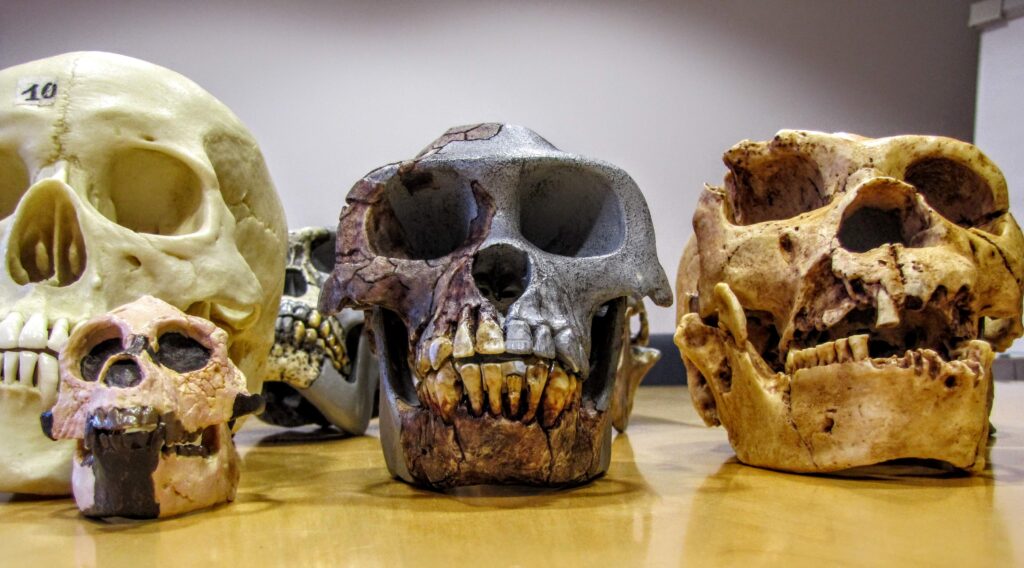
Classroom resources for exploring (the evolution of) human needs, values, and well-being
Human evolution – Human needs, values, and wellbeing Read More »